Tomimeus (Erasmus +)
RESEARCH
2019 – 2022
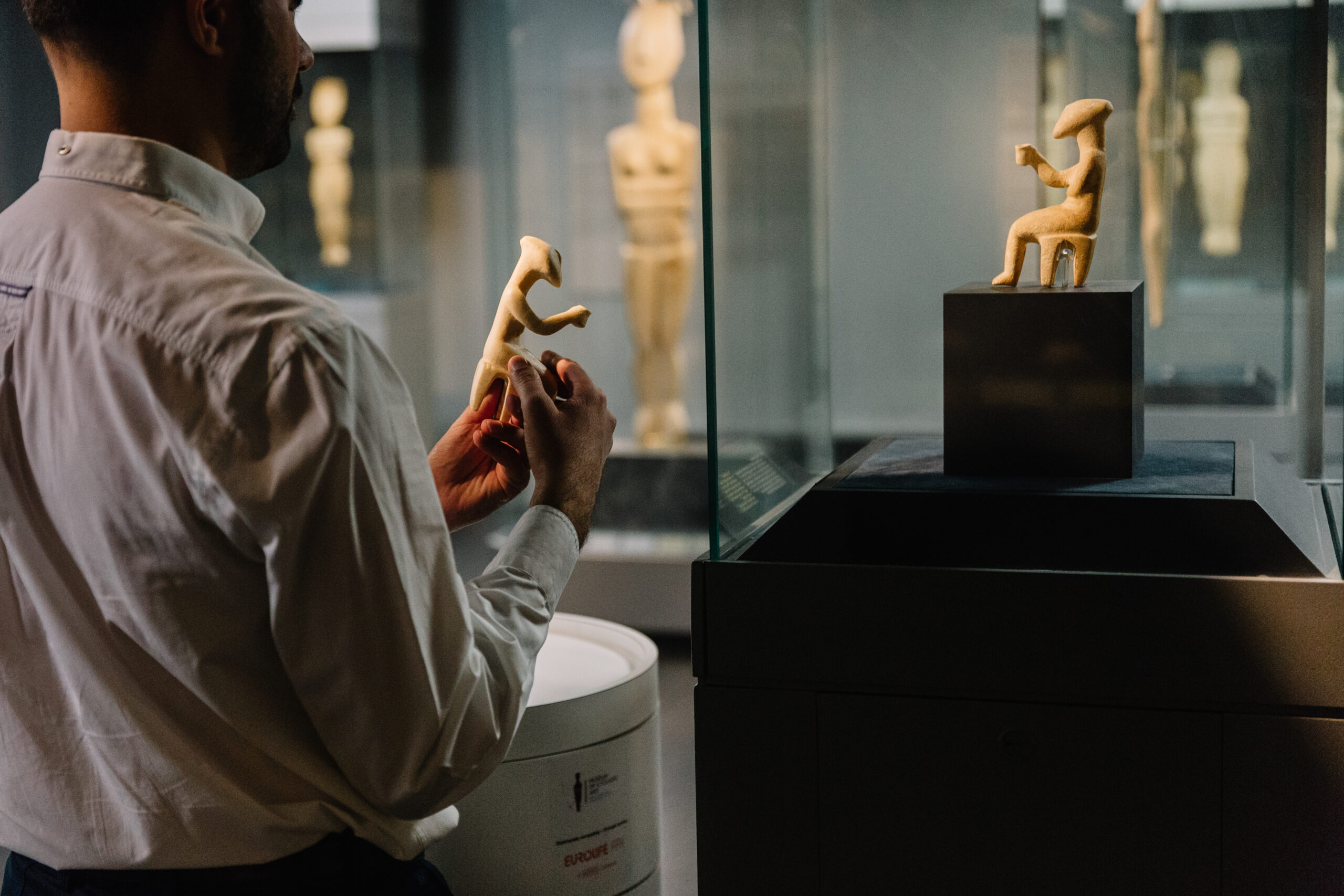
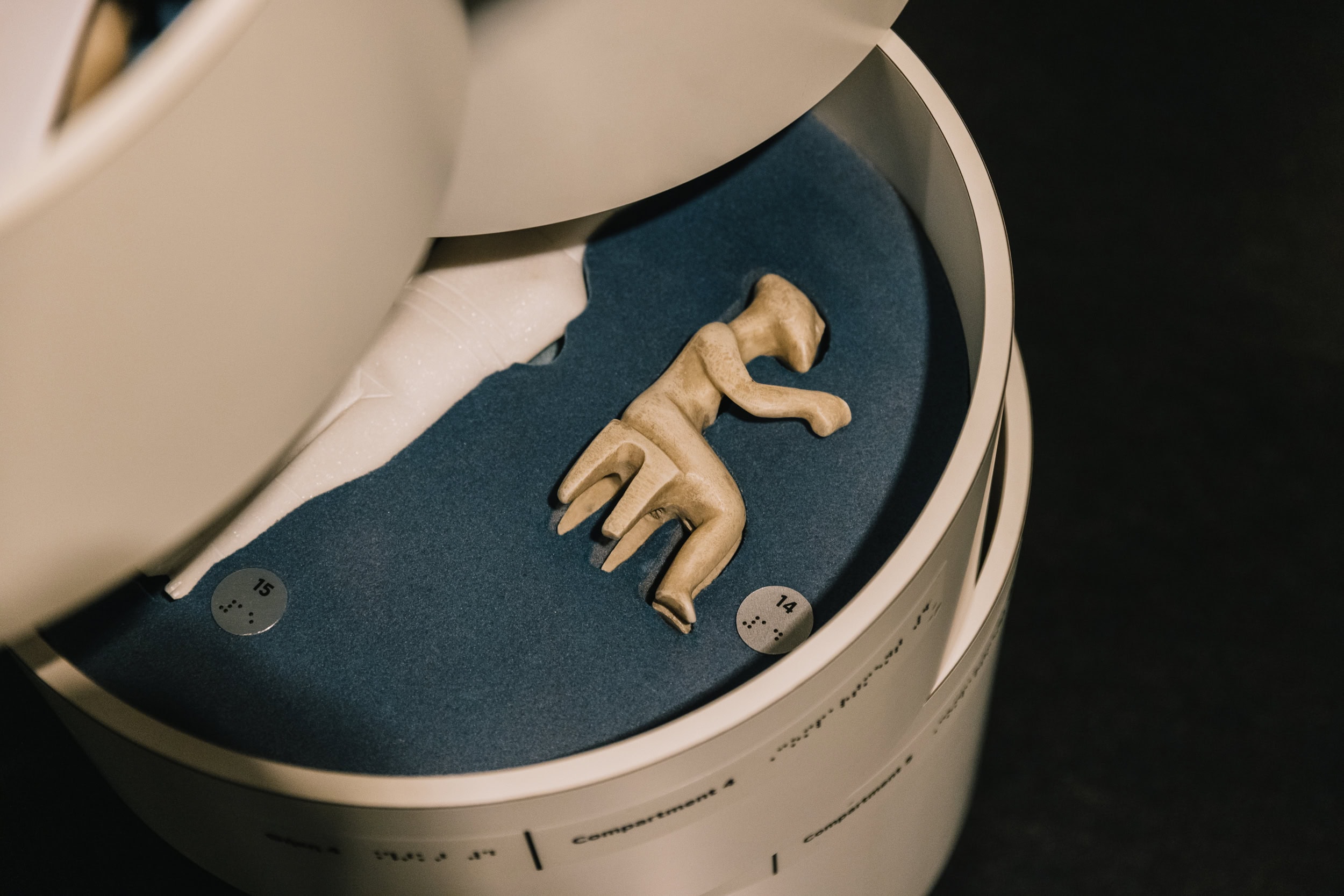
As a result of the project, educational and interpretive material was developed, along with a mobile tactile display case, enabling the museum experience to become accessible to people with multisensory disabilities. The innovation of the present project was in its synthetic character which combined the contemporary role of museums, the socio-anthropological paradigm for disability and the conventions for the rights of people with disabilities and human rights.
The ToMiMEUs project aimed to address the following objectives:
- To raise awareness among museum staff and update their knowledge regarding the barriers that individuals with sensory disabilities may encounter in museum environments, as well as the techniques and emerging technologies that can enhance accessibility and inclusion.
- To create learning, cultural and social opportunities for individuals with sensory disabilities, while also fostering interaction and participation among mixed groups of visitors with and without disabilities within museum spaces.
- To promote collaboration between museums and universities, encouraging the exchange of knowledge, research and practical expertise in the field of accessibility and inclusive museum practices.
- To identify and highlight best practices and guidelines for the development of accessible, multisensory and inclusive museums for visitors with sensory disabilities.
- These objectives were identified through an up-to-date review of the relevant literature. The nine organisations participating in the ToMiMEUs project—including universities, museums and a European museum association—combined their knowledge and experience in order to address these objectives and contribute to the development of a multisensory and inclusive museum environment for individuals with sensory disabilities and for all visitors.
ACTIVITIES & RESULTS
Within the framework of the project, the museum created a mobile tactile display case for people with multisensory disabilities, which made the museum’s permanent collection, Cycladic Art, fully accessible.
At the same time, videos in sign language were produced and installed both at the museum entrance and at various points throughout the permanent collections. These videos provide visitors with multisensory disabilities with important information about their visit to the museum.
The mobile tactile display case and the programme “In Touch” were based on the research conducted as part of the project and were implemented with the sponsorship of Eurolife.
For the programme “In Touch”, implemented in collaboration with the Museum of Cycladic Art, which made the museum accessible to people with visual and hearing impairments, Eurolife received two Gold awards in the categories “Equal Participation / Diversity, Inclusion, Equal Opportunities” and “ESG & SDGs / Reduced Inequalities”, as well as one Bronze award in the category “Excellence in Collaboration / Corporate & NGO Partnership”.