Museums of Impact
RESEARCH
MAY 2022
The aim of the project was the development of European framework for evaluation and self-assessment designed for museums which want to measure and increase their social impact.
The MOI (Museums of Impact) self-evaluation framework is a flexible tool designed to help museums analyse their activities, reflect on their societal role, and identify areas for development. It supports organisations in understanding how their strategies, operations and services contribute to their overall impact on communities and society.
Using the framework created by the MOI project allows for group performance appraisal, increases shared understanding, demonstrates the current status in different areas, and acknowledges a museum’s strengths, resources and goals.
It can be beneficial in various situations, such as while developing a new strategy, or when there are major staff changes, as it can provide a better understanding of the working community and the current situation of different activities. Using the framework can also be beneficial when a museum wants to make changes in its operations and activities or check its position against its own impact goals.
There is no one correct way to carry out the self-evaluation with the MOI framework. The framework can be tailored to fit various kinds and sizes of museums and their individual contexts.
THE WORKSHOP
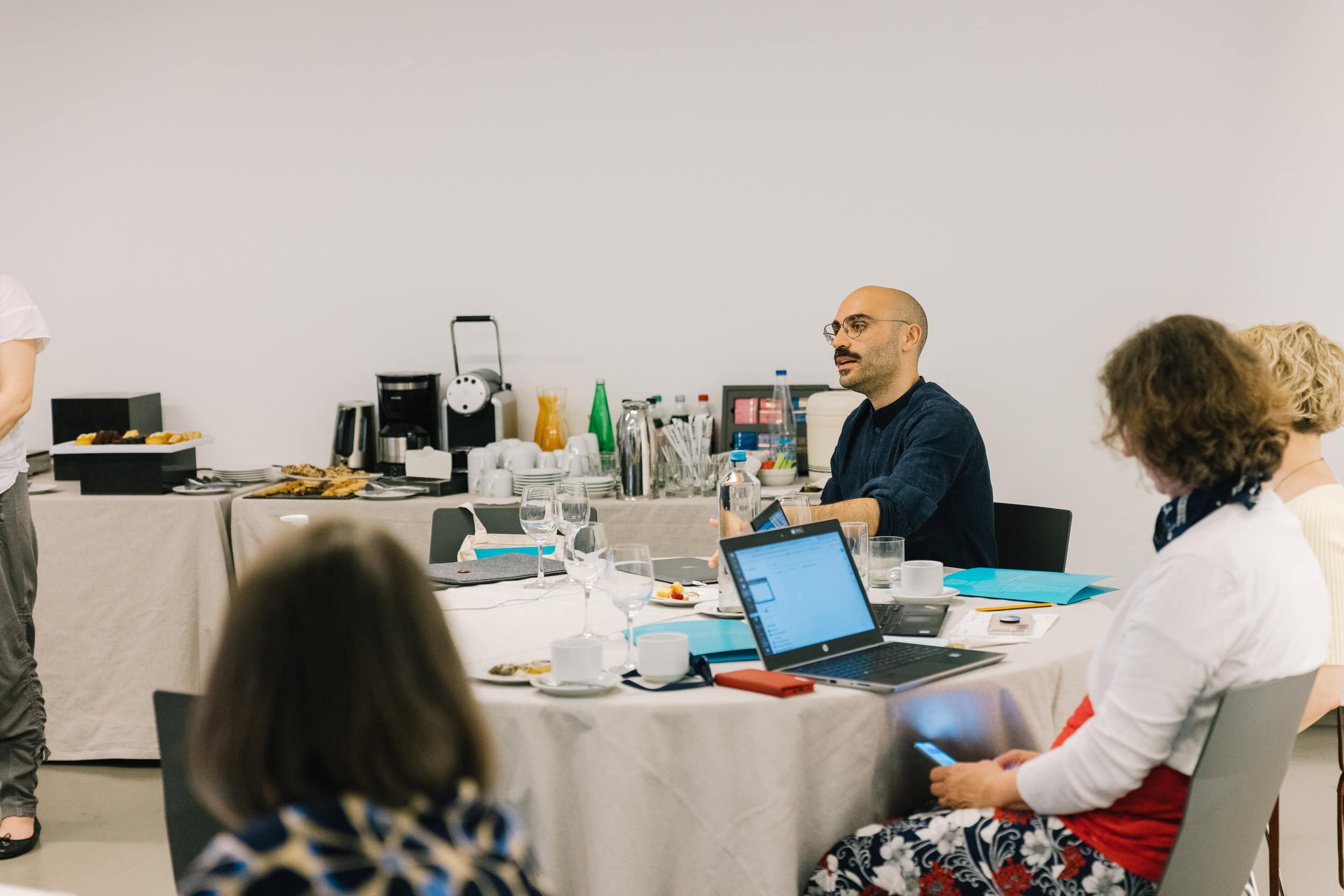
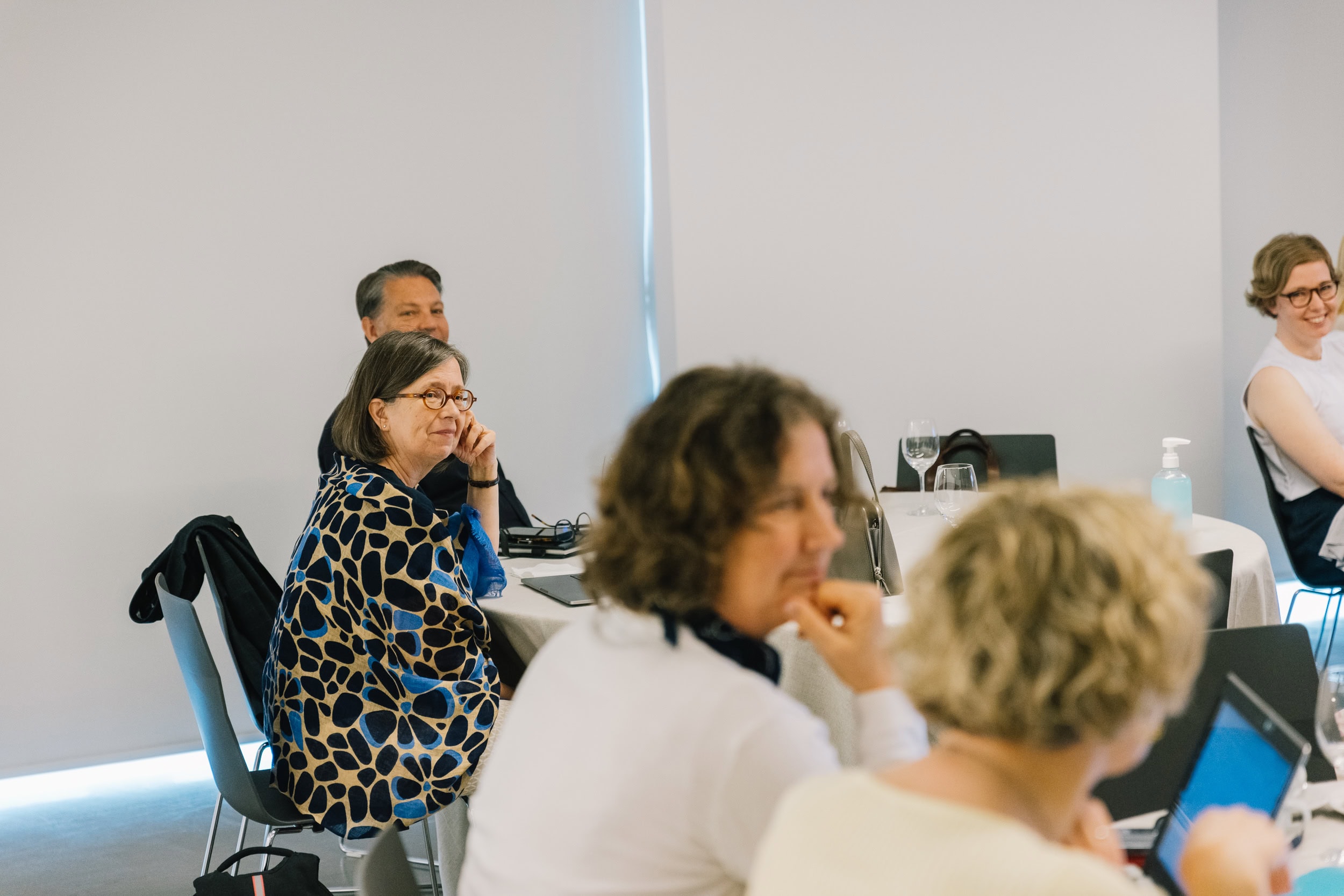
On 30 and 31 May 2022, the Museum of Cycladic Art hosted a workshop for the MOI – Museums of Impact project.
During the two-day workshop, the project partners had the opportunity to collaborate and exchange ideas regarding the finalization of the MOI framework for the self-assessment of museums of different sizes and types.
The MOI project focuses on developing an evaluation framework for European museums that places the social impact of museums at its core. The project is funded by the Creative Europe programme.
The Museum of Cycladic Art—specifically its Department of Educational and Social Programs—actively participates in all project activities, including:
- Participating in working groups with other museums and cultural networks within the consortium to optimize the evaluation model and improve its effectiveness.
- Organizing pilot implementations of the model in museums across Europe.
- Hosting workshops in Greece aimed at improving the model, building a strong collaboration network, and promoting the project.